

Insuring An Electric Vehicle Costs and Coverage in 2026


Key Takeaways
blueCheck icon

Electric vehicles average $3,281 per year for full coverage. Plug-in hybrids run even higher at $5,185 per year on average, a number driven by luxury PHEVs in the dataset.

blueCheck icon

The Chevrolet Silverado EV is the cheapest EV to insure at $1,947 per year for full coverage and $993 for minimum coverage. Most non-luxury EVs from Hyundai, Kia, Toyota and Volkswagen are at or below the electric average.

blueCheck icon

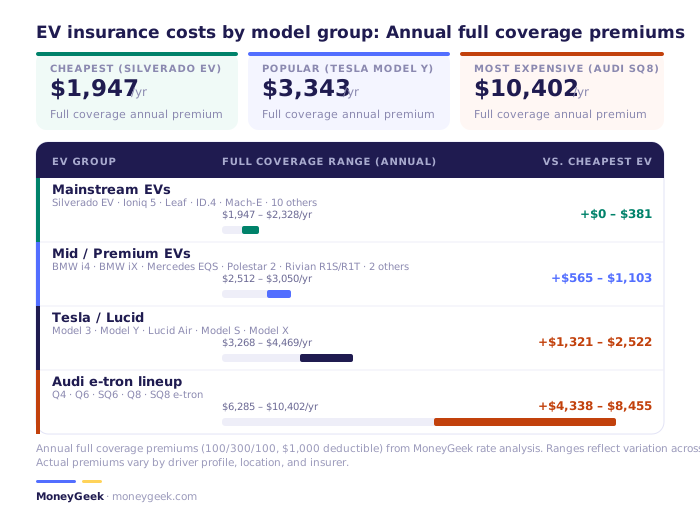
Tesla and Audi e-tron models are consistently the most expensive EVs to insure. All five Tesla models exceeded $2,800 per year for full coverage, and the Audi SQ8 e-tron reached $10,402, the highest rate in the dataset.

How Much Does Electric Vehicle Insurance Cost?

Electric vehicle insurance averages $3,281 per year for full coverage and $1,679 per year for minimum coverage, or $273 and $140 per month.

Plug-in hybrids carry the highest average rates among electrified vehicles, $5,185 per year for full coverage and $2,634 for minimum. That figure is pulled upward by luxury plug-in hybrid models in the dataset, so your own rate will vary depending on the specific vehicle you drive. Standard hybrids average $2,956 per year for full coverage, slightly below the pure EV average.
Electric
$3,281
$1,679
Hybrid
$2,956
$1,506
Plug-in Hybrid
$5,185
$2,634

EVs cost more to insure than gas-powered vehicles for several concrete reasons. Proprietary components, specialized labor and longer repair times all push claim costs up. EVs also carry higher purchase prices on average, which means higher replacement values that insurers account for in premiums.

Electric Vehicle Insurance Rates by Model

Annual full coverage premiums across the 33 models span more than $8,000, from $1,947 for the Chevrolet Silverado EV to $10,402 for the Audi SQ8 e-tron. That spread reflects real differences in vehicle value, parts costs and repair complexity.

Luxury and performance EVs are at the top of the table for two compounding reasons, they cost more to replace, and they cost more to repair. 

The Audi e-tron lineup, the Tesla lineup and premium models from Lucid, Rivian and Polestar all use proprietary technology that limits where repairs can happen and who can perform them. At the lower end, mainstream models from Hyundai, Kia, Toyota, Volkswagen and Nissan benefit from broad dealer networks and parts that are easier and cheaper to source. 

The table lists minimum and full coverage averages for each model, sorted from most to least expensive by full coverage annual premium:

Chevrolet Silverado EV
$1,947
$993
Hyundai Ioniq 5
$1,962
$1,005
Subaru Solterra
$1,973
$1,006
Cadillac Lyriq
$2,039
$1,040
Nissan Leaf
$2,064
$1,053
Volkswagen ID. Buzz
$2,088
$1,065
Chevrolet Equinox EV
$2,137
$1,090
Chevrolet Blazer EV
$2,181
$1,112
Hyundai Ioniq 6
$2,186
$1,115
Toyota bZ4X
$2,197
$1,121
Kia EV6
$2,213
$1,129
Nissan Ariya
$2,243
$1,144
Volkswagen ID.4
$2,254
$1,150
Kia EV9
$2,310
$1,178
Ford Mustang Mach-E
$2,328
$1,188
BMW i4
$2,512
$1,281
BMW iX
$2,591
$1,321
Mercedes-Benz EQS
$2,643
$1,348
Genesis GV60
$2,716
$1,385
Tesla Cybertruck
$2,805
$1,431
Polestar 2
$2,878
$1,468
Rivian R1S
$3,008
$1,534
Rivian R1T
$3,050
$1,556
Tesla Model 3
$3,268
$1,667
Tesla Model Y
$3,343
$1,705
Lucid Air
$3,917
$1,998
Tesla Model S
$4,347
$2,217
Tesla Model X
$4,469
$2,279
Audi Q4 e-tron
$6,285
$3,206
Audi Q6 e-tron
$7,499
$3,825
Audi SQ6 e-tron
$8,503
$4,337
Audi Q8 e-tron
$9,004
$4,592
Audi SQ8 e-tron
$10,402
$5,305

The five Audi e-tron models and four of the five Teslas account for nine of the 13 most expensive vehicles in the table. At the other end, the Chevrolet Silverado EV, Hyundai Ioniq 5 and Subaru Solterra all come in below $2,000 for full coverage, close to what many comparable gas-powered vehicles cost to insure.

Why Does EV Insurance Cost More?

EV insurance runs higher than gas-powered vehicle coverage for several reasons, most tied to repair costs and vehicle value.

    graph icon
    Higher vehicle values

    EVs cost more to buy than comparable gas-powered vehicles. A higher purchase price means a higher replacement value, which insurers build into premiums. When a covered loss occurs, the insurer pays more, and rates reflect that exposure.

    carVsCar icon
    Expensive parts and proprietary components

    Many EVs use parts that only the manufacturer produces. Tesla is the most well-known example, but Rivian, Lucid and others also rely heavily on proprietary components. Aftermarket alternatives don't exist the way they do for gas-powered cars, which keeps repair costs high.

    car2Colored icon
    Specialized labor

    EV repairs require technicians trained on battery systems, high-voltage components and advanced driver assistance technology. Fewer shops have this training, which limits competition and raises labor rates.

    ignition icon
    Advanced driver assistance systems (ADAS)

    Most EVs include cameras, sensors and radar components that control lane keeping, automatic braking and other safety features. Even a minor collision can require recalibration or replacement of these systems, adding hundreds or thousands of dollars to a repair bill.

    calendar icon
    Longer repair times

    EVs take longer to repair than gas-powered vehicles on average, which extends rental car periods and raises total claim costs for insurers.

Which EVs Cost the Most to Insure?

The Audi SQ8 e-tron is the most expensive EV to insure at $10,402 per year for full coverage. Four other Audi e-tron models also rank in the top five: the Q8 e-tron ($9,004), SQ6 e-tron ($8,503), Q6 e-tron ($7,499) and Q4 e-tron ($6,285).

Tesla vehicles are the next most expensive group. The Tesla Model X costs $4,469 per year for full coverage, the Model S costs $4,347, the Model Y is $3,343, the Model 3 is $3,268 and the Cybertruck is $2,805. Three of the five Tesla models in the analysis exceed $3,200 per year.

Tesla's higher premiums result from a combination of high vehicle values, proprietary parts sourced exclusively through Tesla, and aluminum body panels that require specialized equipment and training to repair. Even minor damage can involve recalibration of Autopilot and Full Self-Driving sensors, which adds to repair costs.

Which EVs Are the Cheapest to Insure?

The Chevrolet Silverado EV is the cheapest EV to insure at $1,947 per year for full coverage and $993 for minimum coverage. The Hyundai Ioniq 5 ($1,962 full coverage) and Subaru Solterra ($1,973 full coverage) round out the three most affordable options.

Several other models are below $2,500 for full coverage: the Cadillac Lyriq at $2,039, the Nissan Leaf at $2,064, the Volkswagen ID. Buzz at $2,088, the Chevrolet Equinox EV at $2,137, the Chevrolet Blazer EV at $2,181, the Hyundai Ioniq 6 at $2,186 and the Toyota bZ4X at $2,197. These models come from established automakers with existing service networks, parts availability and repair infrastructure, factors that hold claim costs down and keep premiums lower.

Can Electric Vehicles Save You Money in Other Ways?

Higher insurance costs are one piece of the total EV ownership picture, and electric vehicles can offset that expense in several areas.

Electric Vehicle Insurance: Bottom Line

Electric vehicle insurance averages $3,281 per year for full coverage, with rates running higher than gas-powered vehicles on average. The gap varies by model. The Chevrolet Silverado EV, Hyundai Ioniq 5 and Subaru Solterra all come in below $2,000, while luxury EVs from Audi and Tesla can exceed $4,000. Getting quotes from multiple insurers before buying and factoring insurance costs into your total ownership budget can prevent surprises once you're on the road.

Insurance Cost On Electric Cars: FAQ

EV insurance raises questions that don't always have simple answers. Costs vary by model, coverage options differ by insurer and newer products like Tesla Insurance work differently from standard policies. These answers cover what most EV owners want to know:

Is electric car insurance more expensive than regular car insurance?

What is the cheapest electric car to insure?

Do all insurance companies cover electric cars?

What factors affect EV insurance rates?

Are there discounts for electric vehicle owners?

methodology content icon

MoneyGeek's 2026 electric vehicle insurance rate analysis covers 33 EV models across all 50 states. Rate data was exported from MoneyGeek's database, which aggregates quotes from major insurers using a standardized driver profile: a 40-year-old driver with a clean driving record, good credit and full coverage limits of 100/300/100 for bodily injury and property damage liability, a $500 collision deductible and a $500 comprehensive deductible.

About Mark Fitzpatrick


Mark Fitzpatrick headshot

Mark Fitzpatrick, a Licensed Property and Casualty Insurance Producer, is MoneyGeek's resident Personal Finance Expert. He has analyzed the insurance market for over five years, conducting original research for insurance shoppers. His insights have been featured in CNBC, NBC News and Mashable.

Fitzpatrick holds a master’s degree in economics and international relations from Johns Hopkins University and a bachelor’s degree from Boston College. He's also a five-time Jeopardy champion!

He writes about economics and insurance, breaking down complex topics so people know what they're buying.


sources