

How to Get an Anonymous Car Insurance Quote


Key Takeaways
blueCheck icon

Anonymous car insurance quotes let you compare rates without giving every company your personal details. Use MoneyGeek's calculator to see pricing before deciding which insurers should get your phone number and email address.

blueCheck icon

Start with comparison tools using only your ZIP code and vehicle details. Share complete information only with the two or three companies you're seriously considering.

blueCheck icon

The General asks for the least personal information of any insurer we tested. GEICO and Progressive also ask for less than most companies in our analysis. Most of GEICO's additional information fields are optional, even though they appear required.

Anonymous Car Insurance Quote Tool

MoneyGeek's car insurance calculator gives you a rate estimate using just your ZIP code. No personal information required.

Enter your ZIP code to get an anonymous monthly rate estimate.

Loading...
Loading...

How to Get Car Insurance Estimates Without Personal Information

You don't need to share your contact details with every insurer just to check prices. Follow these steps to compare rates without oversharing.

  1. 1
    Use an anonymous quote comparison tool

    MoneyGeek's anonymous calculator uses your ZIP code, car details, driving history and a broad age range instead of your exact birthdate. No name, phone, email or Social Security number required. Estimates from multiple insurers come back in minutes with no follow-up calls or emails.

    Binding quotes require more detailed information, so use these estimates as a starting point. Before using any tool, read its privacy policy to see how your data is used.

  2. 2
    Narrow down your options

    Pull three to five well-rated companies from your anonymous results and compare their premiums alongside MoneyGeek scores before requesting binding quotes. Submitting a full quote request to every insurer on your list defeats the purpose: you'll end up on marketing lists and follow-up calls from companies you were trying to avoid in the first place.

  3. 3
    Create a dedicated email address

    Most insurers require an email address to send quote results, so set up a separate account through Gmail or Proton for insurance shopping and stop using it once you've bought a policy. Skip disposable email services. They're fine for a single quote, but you'll likely miss renewal notices, claims updates or a follow-up you actually need.

  4. 4
    Opt out of phone marketing and use temporary phone numbers

    Select "email only" preferences and opt out of marketing calls on every quote form. When a phone number is required, use a temporary number or a Google Voice number you control. Either way, insurers never get your real number.

  5. 5
    Use minimal information for more accurate quotes

    The General, Progressive and GEICO ask for the least information upfront. Skip optional fields and use initials where permitted. Fill in required fields accurately. Inaccurate information changes your rate once you move to a binding quote.

  6. 6
    Compare final quotes and coverage options

    Look beyond price when reviewing final quotes. Check coverage limits, deductibles, discounts and customer service ratings. At this stage, only the insurer you choose sees your full personal information.

Best Anonymous Car Insurance Quotes: Companies Requiring the Least Personal Information

MoneyGeek evaluated how much personal information each major insurer requires for a quote. "Anonymous" here means you don't hand over your name, address or driving history just to see a rate estimate. Most companies need only your ZIP code and vehicle details to start.

All five companies encrypt your data and run regular security audits. Review each company's privacy policy for details on data retention.

MoneyGeek focused on The General, GEICO and Progressive because all three ask for the least information upfront. Many of GEICO's additional fields are optional.

Company
Best For
Privacy Tips

The General

Maximum privacy protection

Use its website instead of calling. Phone agents ask for more information than the online quote tool does.

Balance of privacy and name recognition

Create a dedicated email address before using the system. Most "additional information" fields appear required but are optional.

Comparison shopping anonymously

Use "skip this step" for SSN prompts and find the "communication preferences" link to manage marketing. Consider a secondary email address.

Selective information sharing

When prompted, use your driver's license instead of your SSN. Uncheck all marketing boxes on the quote summary page.

Privacy-conscious initial research

Use its general rate calculator for initial research instead of the full quote system, and skip every marketing checkbox before you submit.

*Rankings reflect data requirements for anonymous estimates only, not overall insurer quality.

Anonymous vs. Binding Car Insurance Quotes

Anonymous quotes give ballpark pricing without sharing contact details. Online comparison tools and some direct-writer insurers offer them without agent involvement. Binding quotes lock in actual rates but require your full personal information and often trigger marketing contact.

A binding quote becomes final when you formally accept it. Cancellation fees are rare but possible if you back out after accepting.

Feature
Anonymous Quotes
Binding Quotes

Purpose

Initial research and comparison

Final offer ready for purchase

Information required

Minimal (ZIP code, vehicle type, driver details)

Detailed (full name, address, SSN, driving history, VIN)

Commitment

No obligation to purchase

Ready to buy when you accept

Privacy protection

High. You share minimal personal data.

Low. Requires your full personal details.

Expiration

No expiration

Valid for 30 days

smallCalculator icon
TRANSITIONING BETWEEN QUOTE TYPES

Start with anonymous estimates to identify two or three promising companies, then request binding quotes only from those finalists. You get accurate rates without handing your details to every company on your list.

What Information Is Needed for a Car Insurance Quote?

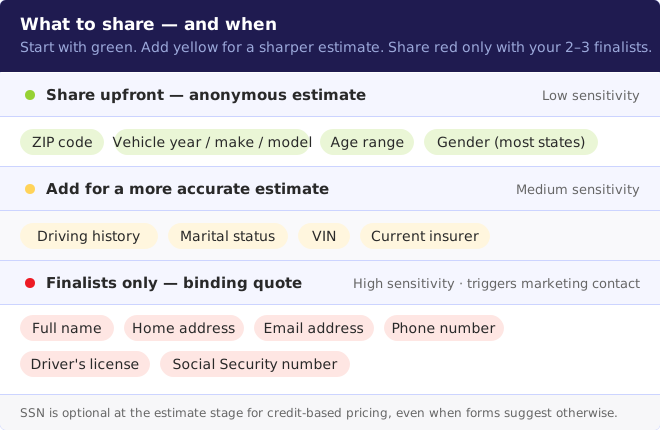
Every quote form asks for your ZIP code, car details (year, make and model) and driving history. Most forms mark phone number, email and Social Security number as required fields, but you can leave them blank when requesting estimates.

Information Type
Required for Estimate?
Required for Binding Quote?
Privacy Impact

ZIP code

Yes

Yes

Low

Vehicle year/make/model

Yes

Yes

Low

Age

Yes

Yes

Low

Gender

In most states*

Yes

Low

Marital status

No

Yes

Medium

Full name

No

Yes

High

Address

No

Yes

High

Email

No

Yes

High

Phone number

No

Yes

High

Social Security number

No

Yes, in most cases

Very high

Driver's license

No

Yes

High

VIN

No

Yes

Medium

Driving history

For accurate quotes

Yes

Medium

Current insurance

No

No

Medium

*Some states prohibit insurers from using gender as a rating factor. As of 2026, these include California, Hawaii, Massachusetts, Michigan, Montana and Pennsylvania. In these states, gender won't appear as a required field and won't affect your rate.

Image showing a privacy funnel of data when requesting car insurance quotes.

How Vehicle Details Affect Your Rate

Vehicle make influences premiums through repair costs, theft rates and safety ratings. The model matters, too. Insurers weigh safety features, body type, engine size and theft statistics for each trim. A Honda Civic and a Honda Accord carry different rates even though they're made by the same manufacturer. Look up insurance costs for specific models before buying a car, since some vehicles cost 30% to 50% more to insure than others in the same class.

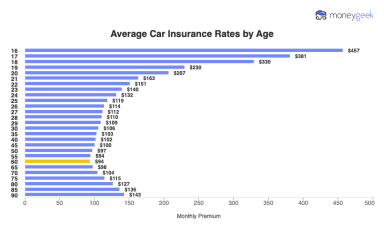
An image showing the factors that affect the total cost of car insurance based on vehicle types and models.

How to Get a Free Car Insurance Quote With No Personal Information: Bottom Line

Use MoneyGeek's anonymous calculator or another comparison tool first to see which companies offer good rates. Share your real contact information only with your top two or three picks.

You'll need full details to get a binding quote, but limiting who receives that information keeps you off most marketing call lists. The General asks for the least information upfront, while Allstate wants more right from the start.

Compare Auto Insurance Rates

Get the best rate for your coverage needs. Compare quotes from top insurance companies.

Anonymous Car Insurance Quotes Without Personal Information: FAQ

Best Companies Offering Anonymous Car Insurance Quotes: Our Methodology

Getting car insurance quotes shouldn't mean handing your personal information to dozens of companies. We tested 46 insurers to find out which ones let you compare rates without giving up your name, phone number or Social Security number first.

How We Researched Anonymous Car Insurance Quotes

Our team completed each insurer's online quote flow using the same test driver profile, noting every field marked required versus optional and whether the process asked for a Social Security number or driver's license before showing a price. We also tracked completion time for each insurer's process.

What We Measured

The data set spans 83,056 anonymous quotes across 46 companies and 473 ZIP codes, sourced from state insurance department filings and Quadrant Information Services pricing data.

How We Ranked Insurers

Most car insurance comparisons show final prices only after you've shared everything. This analysis shows which companies give you accurate estimates before you share that information. We ranked insurers by quote accuracy, data requirements and user experience.

Auto Insurance Quotes: Related Articles

About Mark Fitzpatrick


Mark Fitzpatrick, Licensed P&C Insurance Expert, MoneyGeek

Mark Fitzpatrick, a licensed Property and Casualty (P&C) Insurance Producer in Connecticut, is MoneyGeek's resident insurance expert. He has spent nearly a decade analyzing the market, first at LendingTree and now at MoneyGeek, where he produces original research on hundreds of carriers and millions of rates across auto, home, renters, health and life insurance.

He covers economics and insurance at MoneyGeek, and his work has been featured in The Washington Post, The New York Times and NPR, among other outlets.

Like all MoneyGeek analysts, he draws on independent cost and consumer experience data. No insurance company partnership influences his recommendations.

Mark holds a B.A. from Boston College and an M.A. in Economics and International Relations from Johns Hopkins University. He started his career in financial risk management at State Street and is also a five-time “Jeopardy!” champion.


Sources