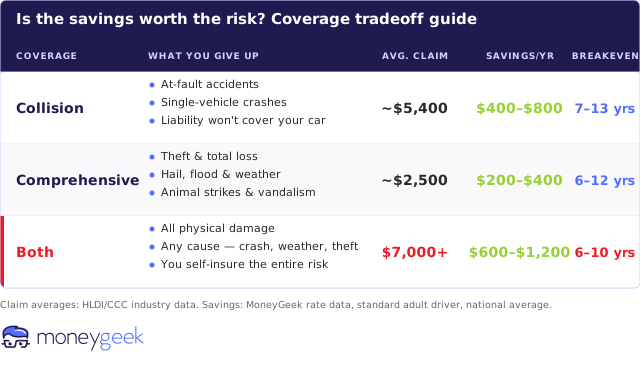


Full coverage adds comprehensive and collision to your liability policy, but it’s not the right choice for every driver. All four of the following conditions should apply before dropping coverage makes financial sense.
When to drop full coverage:
- 10% rule: Your annual premium for collision and comprehensive exceeds 10% of what your car is worth. If your car is worth $6,000 and you pay $900 a year, that's 15% of the vehicle's value. Drop it.
- Car value rule: Your car is worth less than $7,500. The old benchmark was $5,000, but premiums now cost $200 to $250 a month and repair costs have climbed. A car worth $7,500 or less often doesn't justify the coverage cost.
- Savings rule: You have enough in emergency savings to cover a large repair bill on your own. Check average repair cost estimates for your make and model to be sure.
- Ownership rule: Your car is paid off. Lenders require comprehensive and collision if you're financing or leasing. You can't drop either until the loan is gone.