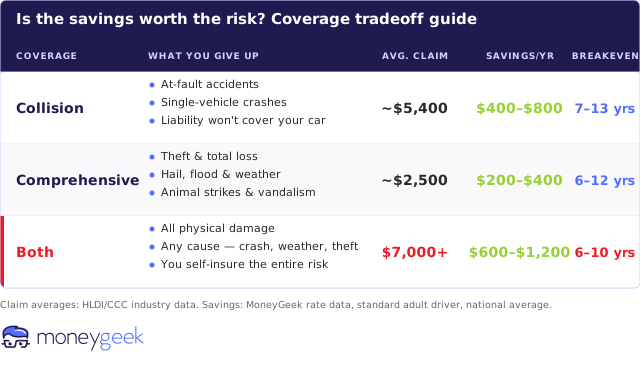


Full coverage offers the highest form of financial protection for your vehicle, but it's not right for every driver. You should consider dropping full coverage on a car that's worth less than $7,500, is fully paid off, and costs more than 10% of what the car is worth to insure.
Below are some general rules for when to drop collision and comprehensive coverage based on cost-benefit analysis; all four need to apply before dropping makes sense.
When to drop full coverage:
- 10% rule: Your annual premium for collision and comprehensive exceeds 10% of what your car is worth. If your car is worth $6,000 and you pay $900 a year, that's 15% of the vehicle's value. Drop it.
- Car value rule: Your car is worth less than $7,500. The old benchmark was $5,000, but premiums now cost $200 to $250 a month and repair costs have climbed. A car worth $7,500 or less often doesn't justify the coverage cost.
- Savings rule: You have enough in emergency savings to cover a large repair bill on your own. Check average repair cost estimates for your make and model to be sure.
- Ownership rule: Your car is paid off. Lenders require comprehensive and collision if you're financing or leasing. You can't drop either until the loan is gone.