Swimming pools are usually covered under homeowners insurance as part of other structures coverage, which can help pay for damage from covered perils like storms or vandalism. They also increase liability risk, so coverage may help pay for injuries that occur in or around the pool, depending on policy limits and safety requirements.
Does Home Insurance Cover Swimming Pools?
Updated: March 25, 2026
Advertising & Editorial Disclosure
Key Takeaways
Homeowners insurance covers swimming pool damage through other structures coverage (Coverage B) for the pool structure and personal liability coverage (Coverage E) for injuries.
Standard homeowners insurance doesn't cover swimming pool damage from maintenance neglect, wear and tear, mechanical breakdown, flood damage, earthquake damage or gradual deterioration.
Pool owners have elevated liability risk because swimming pools are classified as an "attractive nuisance," meaning your insurer could receive a claim even if an uninvited child enters your property and is injured, and some insurers require a fence, locking gate or pool cover as a condition of coverage.
How Does Home Insurance Cover Swimming Pools?

Other Structures Coverage
If the pool is considered a separate structure, this coverage may pay for repairs or replacement if it’s damaged by a covered peril. Detached pools and related features like fences or pool houses are often included under this category.
Personal Liability Coverage
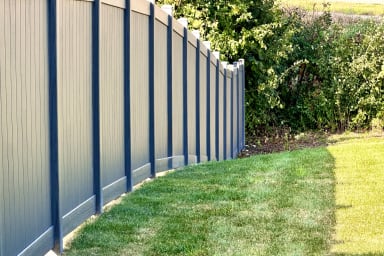
Liability protection may help cover medical costs or legal expenses if someone is injured while using your pool. Insurers may require safety features like fences or locked gates to maintain coverage eligibility.
What Perils Can Homeowners Insurance Cover for Swimming Pools?
Homeowners insurance may cover swimming pools when damage is caused by specific named perils outlined in the policy. Coverage depends on how the pool is classified and whether the cause of damage falls within those covered events.

Fire and Smoke Damage
Damage to a pool or surrounding structures caused by fire or smoke is typically covered. This can include nearby structures like decks or enclosures.
Windstorms and Hail
Strong winds or hail that damage the pool structure, liner or attached features may be covered. The loss must result directly from the storm event.
Vandalism
A fire spreads to the pool area and damages the structure, decking or surrounding equipment. Other structures coverage and personal property coverage both apply.
Falling Objects
If a tree or other object falls and damages the pool, coverage may apply under this peril. The damage must be sudden and directly caused by the falling object.
Lightning
A lightning strike that damages pool equipment, such as pumps or electrical systems, is generally covered. Some policies may also extend coverage to related power surge damage if caused by lightning.
When Are Swimming Pools Not Covered in Home Insurance?
Standard homeowners insurance doesn't cover swimming pool damage from maintenance neglect, mechanical breakdown, flood, earthquake, gradual deterioration or wear and tear.

Maintenance Neglect and Wear and Tear
Cracks from settling, liner deterioration, tile damage from aging or algae buildup from lack of upkeep. Insurers classify these as homeowner maintenance responsibilities, not insurable events.
Flood Damage
Rising water from heavy rain, storm surge or overflowing rivers that damages the pool structure or fills it with debris. Flood damage requires a separate flood insurance policy through the NFIP or a private insurer.
Earthquake Damage
Ground movement that cracks, shifts or collapses the pool structure. Earthquake coverage requires a separate policy or endorsement.
Mechanical or Equipment Breakdown
The pool pump, heater, chlorinator or filtration system fails from normal use, age or electrical issues. Equipment breakdown coverage (an optional endorsement) can fill this gap.
Gradual Damage
Slow leaks, ground erosion around the pool or shifting soil that develops over weeks or months. Insurers cover sudden and accidental damage only.
Covered scenarios apply only if your policy includes other structures coverage and personal liability coverage. Standard homeowners policies vary, so check your declarations page.
MONEYGEEK EXPERT TIP
Other structures coverage is typically 10% of your dwelling limit. If your home is insured for $250,000, you get $25,000 to cover all other structures combined, including the pool, fence, shed and detached garage. If pool repairs exceed this sublimit, you'd need to increase your Coverage B limit. Review your declarations page to confirm your current Coverage B limit and determine how much home insurance coverage you need to fully cover your pool.
How to File a Claim for Swimming Pool Damage
Filing a homeowners insurance claim for swimming pool damage starts with documenting the loss and understanding what your policy covers. Following the right steps can help avoid delays and improve your chances of a smooth payout.
- 1Document the Damage Immediately
Take photos and video of all pool damage before any cleanup or temporary repairs. Include wide shots of the pool area and close-ups of specific damage to the structure, equipment and surrounding deck. Clear documentation helps your adjuster verify the extent of damage and speeds up the claims process.
- 2Review Your Policy's Other Structures Limit
Check your declarations page for your Coverage B limit and deductible. Confirm the cause of damage qualifies as a covered peril under your HO-3 or HO-5 policy. If your pool repair cost exceeds your Coverage B sublimit, you'll be responsible for the difference.
- 3Contact Your Insurance Company
Call your insurer's claims line to report the loss. State Farm, Allstate and most major insurers allow you to file pool damage claims online or through their mobile app. Provide the date of loss, a description of what happened and photos if available.
- 4Get a Professional Repair Estimate
Hire a licensed pool contractor to assess the damage and provide a written repair estimate. Your insurer's adjuster will compare this estimate against their own assessment. An independent estimate helps you receive fair compensation for repairs.
- 5Work With the Claims Adjuster
The adjuster will inspect the pool, verify the cause of loss and determine what your policy covers. Straightforward pool claims typically settle within two to four weeks; structural damage claims can take 30 to 60 days. Be prepared to answer questions about when the damage occurred and what maintenance you've performed.
Swimming Pool Coverage: Bottom Line
Homeowners insurance covers swimming pool damage under other structures coverage and injuries under personal liability coverage, but only for sudden and accidental covered perils. Maintenance neglect, gradual damage, flood and earthquake are always excluded. Review your Coverage B sublimit and liability limit and compare quotes from multiple insurers to find the best homeowners insurance companies for pool owners.
Home Insurance Coverage and Pool Protection: FAQ
These FAQs answer common questions about how homeowners insurance applies to swimming pools, including coverage limits and potential exclusions.
Does homeowners insurance cover all swimming pool damage?
No, homeowners insurance doesn't cover all swimming pool damage. Standard policies only cover sudden and accidental damage from covered perils like windstorms, fire, lightning or falling trees. Maintenance-related damage, like cracks from settling, liner deterioration, algae buildup from neglect or gradual leaks that develop over weeks or months, is always excluded. Flood damage, earthquake damage and mechanical breakdowns from normal wear and tear also aren't covered under standard policies. Pool owners should understand that what homeowners insurance covers is limited to sudden, unexpected events, not ongoing upkeep failures.
How does the deductible apply to swimming pool claims?
You pay your deductible before other structures coverage pays the remaining repair cost. If both your pool and another structure like a fence or shed are damaged in the same storm event, one deductible applies to the entire claim, not one deductible per structure. For example, if your deductible is $1,000 and storm damage costs $8,000 to repair your pool and $3,000 to repair your fence, you pay $1,000 and your insurer pays the remaining $10,000. The deductible applies once per claim event, regardless of how many structures are damaged.
What coverage fills the gaps that standard homeowners insurance leaves for swimming pools?
Equipment breakdown coverage is the endorsement that covers what standard policies exclude: mechanical failure of pool pumps, heaters, filters and chlorinators from electrical or mechanical breakdown rather than covered perils. Standard homeowners policies cover pool equipment damage only when it's caused by a named peril like lightning or fire, not from normal wear and tear or age-related failure.
Can I be held liable if an uninvited child enters my property and is injured in my pool?
Yes, pool owners can be held liable even if an uninvited child enters the property and is injured, under the attractive nuisance doctrine. Swimming pools are attractive to children, and courts have ruled that property owners have a duty to prevent reasonably foreseeable injuries to trespassing children. Many insurers and local building codes require a fence at least four feet tall as required by local building codes, a self-closing and self-latching gate, and a pool cover as conditions of coverage. Personal liability coverage under your homeowners policy covers legal defense costs and damages if you're sued, up to your policy limit.
Is coverage different for above-ground pools versus in-ground pools?
Above-ground pools are typically classified as personal property (Coverage C) rather than other structures (Coverage B), which affects the coverage limit and how claims are processed. In-ground pools are permanently affixed to the property and covered under other structures coverage, while above-ground pools are movable and covered under personal property coverage. Personal property coverage uses actual cash value (replacement cost minus depreciation) unless you've added replacement cost coverage, while other structures coverage typically pays replacement cost. Check your policy declarations page to confirm how your pool is classified and whether you need to schedule high-value above-ground pools separately.