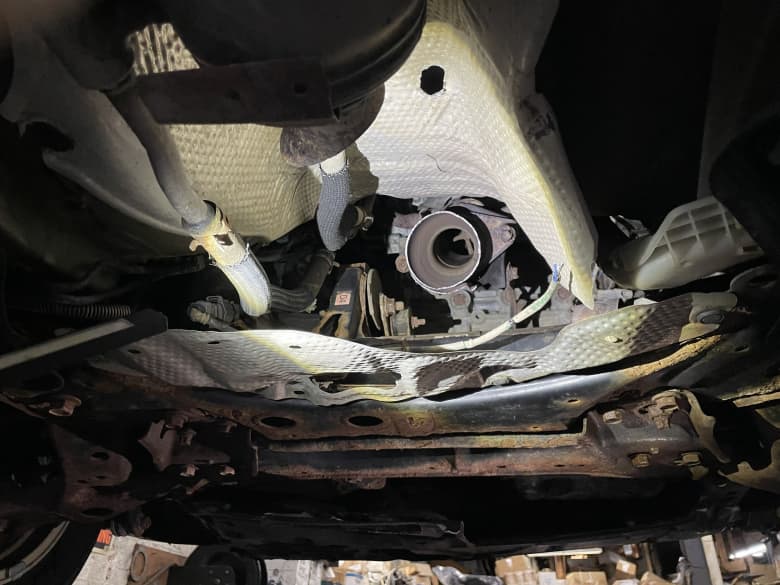
When thieves stole the catalytic converter from my 2014 Toyota Prius in Brooklyn last December, I assumed I was catching the tail end of a crime wave. State Farm's data showed catalytic converter theft had fallen 83% from its 2022 peak. Federal prosecutors had dismantled the largest theft rings. Rhodium prices had fallen 77% from their 2021 highs.
But when I started reporting this story, I found something more interesting than a solved problem: I found a cycle that's already repeating.
Rhodium didn't stay at $4,600 per ounce. It more than doubled to $10,400 by early 2026. And in St. Paul, Minnesota, a city with one of the nation's strictest anti-theft laws still fully in force, catalytic converter theft nearly tripled in 2025, rising from 172 incidents to 504.
The story of catalytic converter theft isn't about how three forces killed an epidemic. It's about how precious metal prices drive a predictable cycle that legislation can moderate but never eliminate. And it explains why comprehensive insurance premiums won't drop proportionally to reflect the 2022 to 2024 decline: insurers are already pricing in the next surge, which early 2026 data suggests has begun.
State Farm paid out $115.4 million for 45,000 catalytic converter theft claims in 2022. By 2024, the insurer projected paying just $22 million for roughly 7,600 claims, 81% fewer dollars despite repair costs per incident rising 53%. The decline was real, substantial and national in scope.
But the forces that caused it were always temporary. And understanding why reveals how a crime that seemed to disappear is already coming back.