Shopping for your first motorcycle means weighing your budget, the make and model's features, whether to buy new or used and how to find the best insurance.

This page covers average costs, tips for choosing and budgeting for your bike and what you need as a new rider.
Motorcycles in the US

Millions of Americans own motorcycles. The average cost of owning a motorcycle varies based on your experience level.

US Motorcycle Fast Facts.png
Fast fact icon

8,596,314 motorcycles registered in the U.S. as of 2019.1

Fast fact icon

Beginners spend $5,000 to $10,000 for a motorcycle on average.2

Fast fact icon

In 2020, an estimated 780,000 motorcycles were sold in the U.S.3

Costs Associated With Owning a Motorcycle

One of the largest considerations when buying a motorcycle is cost. For some, a motorcycle is cheaper to own than a car. Before deciding if a bike is right for you, actor in other costs: safety gear, maintenance and either full coverage insurance or liability-only insurance.

The Motorcycle

Average Motorcycle Cost
blueCheck icon

Average cost for beginner motorcyclists: $5,000 to $10,000

blueCheck icon

Average cost for experienced motorcyclists: $10,000 to $35,000

These prices reflect average costs for motorcyclists. The actual cost can vary depending on your needs. Beyond the bike's price, consider what affects your total cost: features, performance capabilities and whether you buy new or used.

coins2 icon
FINDING AFFORDABLE OPTIONS

A motorcycle's price varies widely. Know what you need before you shop. That narrows your search and helps you stay within your budget.

  • Determine your goal. Know why you want a motorcycle before you shop. Whether you're commuting, taking weekend road trips or riding for pleasure, your purpose points you to the right model. A daily commuter bike may be a poor fit for leisure riding, and vice versa.
  • Shop around. Compare prices on bikes that suit your needs and review the features each offers. Narrow your list to the models you're most interested in.
  • Compare riding gear. Rank the gear you need by importance. A helmet is non-negotiable; a jacket may not be your first priority. On a tight budget, buy the must-haves first.

Riding and Safety Gear

Average Cost of Riding and Safety Gear
blueCheck icon
Helmets: $70 on average; can reach up to $300
blueCheck icon
Other required safety gear: average of $1,300

Motorcyclists need to have proper riding and safety gear. A helmet is non-negotiable. It protects you on the road, and it's legally required in many states. On average, a helmet costs $70, though some models reach $300.

Other riding gear you may consider are jackets, gloves and pants. These can be costly, so consider buying them later on if you have a tight budget.

startupBusiness icon
STAYING SAFE ON A BUDGET

Road safety doesn't have to be expensive. Prioritize the basics, and you can get what you need within your budget.

  • Choose the basics. If you're on a budget, prioritize safety gear. A full-face motorcycle helmet is a must. Basic, reliable versions cost less and still meet safety standards.
  • Prioritize your needs. Consider what type of riding gear you don’t need right now. Do you really need riding pants now? Or buy them later when your budget allows.
  • Shop around. Compare prices across sellers to find more affordable gear.

Maintenance and Repairs

Average Cost of Maintenance and Repairs
blueCheck icon
Motorcycle Maintenance: $1,000 a year

A well-maintained motorcycle runs smoothly and keeps you safe. Regular maintenance, including service appointments and oil changes, is the best way to stay ahead of problems.

On average, the cost of motorcycle maintenance is $1,000 a year. That can fluctuate depending on the condition and age of your motorcycle. Older models often need more repairs. If your motorcycle has sustained damage, repair costs will be higher.

motorcycle2 icon
MAINTAINING YOUR MOTORCYCLE

Motorcycle maintenance is expensive, and repair costs add up fast. A few habits can keep both manageable.

  • Keep your motorcycle in good condition. Regular maintenance saves money long-term. Annual reviews catch damage before it turns into bigger repairs.
  • Ride safely. Safe riding habits reduce your risk of accidents and the costly repairs that follow.
  • Do simple maintenance. If you have the knowledge, skills and necessary tools, consider conducting simple maintenance yourself. While you still need to pay for the fluids, filters and parts you may have to use, you avoid paying service fees.

Motorcycle Insurance

Average Cost of Motorcycle Insurance
blueCheck icon
Liability Only: $141 a year
blueCheck icon
Full coverage: $364 a year

Motorcycle insurance costs vary by person. Your age, gender, riding history and location all affect your premium. The right policy depends on your coverage needs and budget.

bond icon
FINDING THE BEST INSURANCE AT A FAIR PRICE

Insurers weigh multiple factors when calculating premiums, so rates vary by person. You can lower your costs with a few targeted moves.

  • Consider your coverage level: Liability-only is your cheapest option if you want basic protection after an at-fault accident. Broader coverage means adding comprehensive and collision insurance, which costs more but pays for more.
  • Shop around: Insurance companies offer different features and rates. Get quotes from at least three providers to compare premiums and find the most affordable option.
  • Check for discounts: Some insurers offer large discounts. Ask whether you qualify, and get new quotes periodically as your circumstances change.

License and Riding Course

Average Cost of Riding Course
blueCheck icon
License Application Fee: $30
blueCheck icon
Riding Course: $100

The cost of a license application and riding courses varies by state. On average, a license application costs $30, and a riding course costs $100.

Additional riding courses are available if you want to build your skills further.

motorcycle2 icon
BETTER RIDING EXPERIENCE

A riding course is an added expense, but it often pays off over time.

  • Find local courses: Local organizations often have more affordable training courses. Some motorcycle distributors and brand-sponsored clubs offer riding programs that reimburse part or all of your tuition.
  • Compare prices: Compare courses offered by different organizations. How much does each charge? What classes are included? That comparison helps you find quality training at the best price.
  • Check for insurance discounts: Some insurers offer large discounts to riders who complete safety courses. Ask your insurer if it offers a similar discount.

Fuel

Average Cost of Fuel and Gas
blueCheck icon
Fuel Cost: $300 a year

The average rider spends $300 a year on fuel. Your riding habits and model affect your total fuel cost. Some motorcycles are more fuel-efficient than others. Riders who use their motorcycle often spend more on fuel than those who ride occasionally.

gasCard icon
SAVING ON FUEL

Fuel is one of the biggest ongoing costs for motorcycle riders. A few smart choices can keep those costs down.

  • Choose a fuel-efficient model. Smaller motorcycles use less fuel. If you're using your bike for a daily commute, a fuel-efficient model can lower your overall costs.
  • Maintain tire pressure. Check your tires regularly. Low tire pressure creates drag and increases fuel consumption.
  • Take care of your bike. Keep your motorcycle maintained. That means cleaning air filters, changing fuel filters, adjusting valves and replacing spark plugs. Regular upkeep reduces friction and improves fuel efficiency.
An illustration of a man budgeting for his first motorcycle.

Budgeting for Your First Motorcycle

Your budget shapes what type of motorcycle you buy, which brand you choose and where you purchase it. Beyond affordability, pick a model that fits your riding needs.

A motorcycle's total cost goes beyond the sticker price. Factor in riding and safety gear, riding courses, maintenance, fuel and motorcycle insurance costs to estimate your total budget.

    cashCard icon
    Compare prices online

    Research motorcycle models and compare prices online to estimate your total costs.

    motorcycle icon
    Determine whether you want a new or used motorcycle

    Some beginners buy secondhand motorcycles to save money upfront. A bike in poor condition can cost more to maintain, so inspect it carefully before buying.

    businessOwner icon
    Go to reputable dealers

    If you're not an experienced mechanic, work with a reputable dealer. They can help you find the right model and give you a realistic cost estimate.

    motorcycleHelmet icon
    Budget for your gear

    Determine the cost of the safety and riding gear you want, then add those amounts to your budget.

5 Factors to Consider When Buying a Motorcycle

The right first motorcycle takes research. Decide what matters most, and use that to narrow your options and stay within your budget.

  1. 1
    Riding experience

    If you're a beginner, you're probably not used to the road challenges bikers encounter. Know your skill level before buying your first bike.

  2. 2
    Your needs as a rider

    Why do you need a motorcycle? Your reasons for wanting a motorcycle point you toward the right model. Different models accommodate different types of riders.

  3. 3
    Your options

    Motorcycles have changed a lot in recent years. Check that the model you choose has the features you want. Also consider whether you want a new or used bike.

  4. 4
    Your ideal fit

    Your bike needs to fit your body well so you can keep your balance on the road. Check if the bike is too heavy. Your feet should reach the foot pegs comfortably.

  5. 5
    Your finances

    A motorcycle can be a huge expense. Buy only when you're financially ready. Set your budget and find a model that fits.

7 Ways to Save Money on Your Motorcycle

A motorcycle's cost varies by type and model, but first-time buyers have a few ways to cut costs. These tips can help you save on your purchase.

  1. 1
    Look for the best deals

    Don't buy the first motorcycle you see. Research your options, ask dealers questions and compare prices from multiple sellers.

  2. 2
    Check online

    Quality safety gear is often cheaper online. Buy from reputable sellers and make sure you're getting equipment that meets safety standards. Good gear lasts longer and protects you better. Spending more upfront is worth it.

  3. 3
    Find discounts

    Dealers and sellers often run promotions. Ask what discounts are available before you commit to a purchase.

  4. 4
    Choose the right motorcycle

    The right bike saves you money long-term. Compare engines, technology and features to find one you'll want to keep.

  5. 5
    Drive efficiently

    Smart riding habits lower your fuel costs. A steady speed uses less gas than frequent acceleration. Less weight on the bike helps, too.

  6. 6
    Buy the right insurance

    The right motorcycle insurance covers costs from accidents, theft and weather damage. An affordable policy protects you financially and saves money over time.

  7. 7
    Consider used bikes

    A used motorcycle costs less than a new one. Just make sure the bike is in good condition before you buy.

An illustration of a man using a spinner wheel to decide which motorcycle option is best for him.

What Kind of Motorcycle Should You Buy?

Motorcycles come in several types. When choosing one, consider models that fit your riding needs and experience level. Safety matters too: what's the right option for a rider at your skill level?

Nine motorcycle types suit different kinds of riders. Think about how you'll use it and make sure it fits your height and size.

Cruiser

An illustration of a cruiser motorcycle.
Key Takeaways
blueCheck icon

Best for: Weekend Travelers

blueCheck icon

Most popular models: Harley-Davidson bikes and Indians

blueCheck icon

Average cost: $5,000 to $20,000+

Cruisers have a lower seat height and are built for weekend riding and longer trips. They can carry a small amount of luggage.

For beginners, the best cruisers are lightweight or medium-weight. Cruisers are built for lower speeds and steady power, not performance riding.

Standard

An illustration of a standard motorcycle.
Key Takeaways
blueCheck icon

Best for: All-around driving needs

blueCheck icon

Most popular models: Japanese bikes released from 1970 to 1982, Honda CB1100, Yamaha SR400, Ducati Monster and Kawasaki Versys

blueCheck icon

Average cost: $5,000 to $40,000+

The standard bike often has a simple design. It's popular because it works for many different riding styles. You can fit luggage, a different seat or a tank bag. The seat height falls in the shorter to midrange. That means almost everyone, no matter their body type, can sit comfortably on it.

Touring

An illustration of a touring motorcycle.
Key Takeaways
blueCheck icon

Best for: Long-distance drives

blueCheck icon

Most popular models: Honda Goldwing, Yamaha Venture, Indian Roadmaster, Harley-Davidson Ultra Classic

blueCheck icon

Average cost: $10,000 to $40,000+

Touring bikes are larger than most motorcycle types and offer ample storage. Large fairings block wind and weather. Touring bikes also have bigger engines, which let them hold highway speeds for long distances. Their ergonomics allow riders to sit for hours.

Some touring models include special features also found in cars. These include GPS, navigation screens, electronic suspension, audio systems, Bluetooth and heated seats.

Scooter

An illustration of a scooter.
Key Takeaways
blueCheck icon

Best for: Beginners and city driving

blueCheck icon

Most popular models: Vespa and Piaggio models, Yamaha Majesty, Yamaha Vino and Honda Elite models

blueCheck icon

Average cost: N/A

While some people don't consider scooters real motorcycles, they're still bikes. Smaller than other types, scooters work well for getting around urban areas. They're lightweight and low to the ground. That low profile keeps riders comfortable in city traffic.

Unlike other bikes, scooters have limited storage.

Sport Bike

An illustration of a sport bike.
Key Takeaways
blueCheck icon

Best for: Speed

blueCheck icon

Most popular models: Suzuki GSXR600, Yamaha YZF-R3, Ducati SuperSport, BMW S1000RR and Honda CB600RR

blueCheck icon

Average cost: $5,000 to $40,000+

Sport bikes offer speed, agility and horsepower and are usually the most expensive type. They're among the fastest bikes, with high-powered suspension, brakes and the latest technology.

These bikes aren't a good fit for beginners. They're best for riders who enjoy racetracks and challenging terrain.

Moped

An illustration of a moped.
Key Takeaways
blueCheck icon

Best for: City driving

blueCheck icon

Most popular models: Vespa LX 50 and TaoTao Titan 50,

blueCheck icon

Average cost: $1,000 to $3,000+

Many people mistake mopeds for scooters. Despite the similarities, mopeds and scooters are different. Mopeds have lighter frames and smaller engines. Their design mirrors a bicycle's. Unlike other bikes, mopeds have little to no storage. They also have no fairings to block wind and weather.

Mopeds have a vintage reputation in the U.S., largely because they're harder to find here than in other countries.

Off-Road

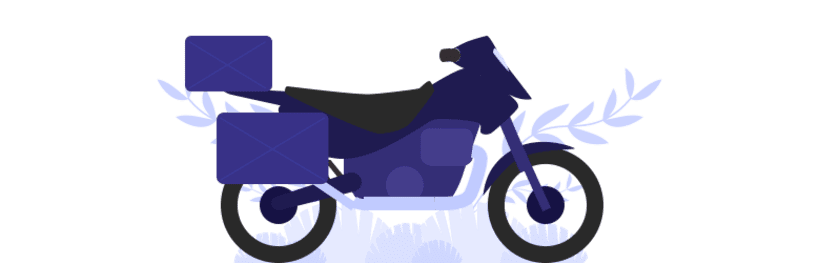
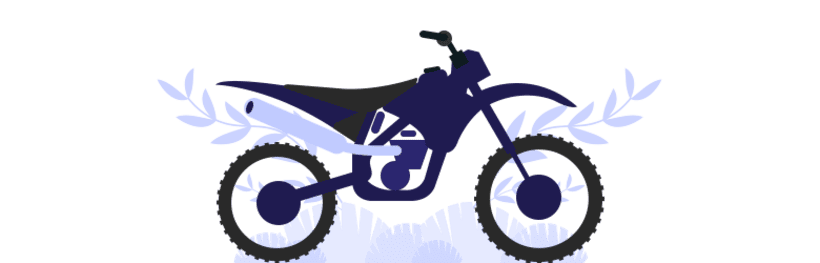
An illustration of an off-road motorcycle.
Key Takeaways
blueCheck icon

Best for: Off-road trails

blueCheck icon

Most popular models: Kawasaki KLX110

blueCheck icon

Average cost: $8,000 to $12,000

Off-road motorcycles are built for dirt trails. They have taller seats with high suspension to handle bumps and rough terrain. Most are lightweight and don't have lights or turn signals. They can tackle steep hills and trails, and some models have a clutch-less design for easier hand control.

Sport Touring

An illustration of a sport touring motorcycle.
Key Takeaways
blueCheck icon

Best for: Quick weekend drives or long road trips

blueCheck icon

Most popular models: Triumph Trophy, Ducati ST, Kawasaki Concours and Yamaha FJ1300

blueCheck icon

Average cost: $9,000 to $15,000

Sport touring mixes sport and touring bikes. Sport touring bikes have taller seats than touring models and more luggage space than sport bikes. They work well for quick trips, though some models can handle longer drives. Sport touring bikes have midrange engines.

Some models include GPS, shaft drive and other car-like technology.

Dual Sport

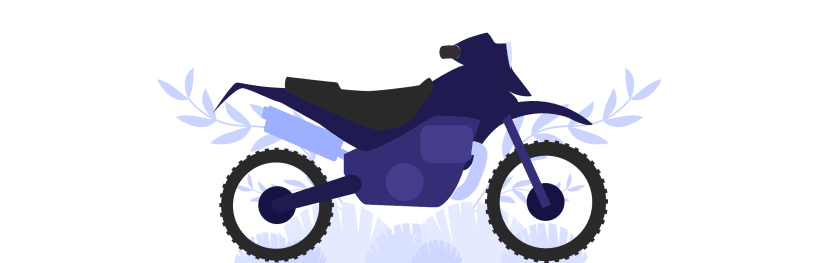
An illustration of a dual sport motorcycle.
Key Takeaways
blueCheck icon

Best for: Rough terrains and distance riding

blueCheck icon

Most popular models: BMW R1200GS, Suzuki DR-Z400S, Lightweight KTM 525EXC and Yamaha WR250R

blueCheck icon

Average cost: $5,000 to $10,000

Dual sport bikes handle rough terrain well, though they're heavier than off-road bikes. Some riders call them dual-purpose or adventure sport bikes.

Dual sports are nearly as comfortable as street bikes but have taller seats, which helps on unpaved roads and trails. Dual sports have limited storage options, but you can outfit them with extra luggage bags or racks.

5 Tips for Choosing Your Motorcycle

The right motorcycle takes research, not just excitement. Start by learning the different types, then factor in your riding needs and the features each model offers.

    wallet icon
    Consider your budget

    Your budget is one of the first things to nail down. It determines what types are within reach and whether a new or used bike makes more sense for you.

    woman icon
    Check if it fits your height and weight

    Comfort matters as much as cost. Can you manage its weight? Do your arms reach the handlebars? Can your feet reach the foot pegs?

    motorcycle icon
    Determine your style

    Each motorcycle type has its charms. Find a style that suits how and where you ride. Test ride it before buying. That tells you how it handles in real conditions.

    goodCredit icon
    Look at the horsepower

    As a beginner, check the bike's horsepower before buying. For most new riders, a 600cc engine is a good starting point.

    shoppingBag icon
    Determine whether you want customization

    If customization matters to you, ask the dealer whether it offers that service and what it costs. If so, decide which features you want customized.

Loading...

Resources

With so many options, choosing a motorcycle can feel overwhelming. These resources can help you learn more about motorcycle ownership, safety and laws.

  • Centers for Disease Control and Prevention's Universal Motorcycle Helmet Laws: Learn about the history of universal motorcycle helmet laws, how helmets reduce crash injuries and the policy debates around them.
  • DMV.org: Find motorcycle license requirements by state.
  • J.D. Power-NADAguides: Compare motorcycle costs by type, make and model.
  • Kelley Blue Book (KBB): Look up pricing by make and compare models using KBB's tool.
  • Motorcycle Legal Foundation: Learn about motorcycle laws in your state and how they compare to other states.
  • Motorcycle Safety Foundation: Learn about the RiderCourse for new riders, including what it covers and how it can make you a safer motorcyclist.
  • U.S. Department of Transportation: Access resources on motorcyclist safety, motorist awareness and road readiness.
  • U.S. Environmental Protection Agency: Learn about federal motorcycle emissions regulations.
Sources